

Definition Of Effective Math Teaching Strategies
When we talk about “effective” math teaching strategies, we’re referring to approaches that:
- Optimize Learning Efficiency: They enable students to learn new concepts more quickly and retain that knowledge for a longer duration, fostering true mastery.
- Enhance Student Understanding: These strategies should help students grasp math concepts deeply, not just memorize procedures.
- Foster Problem-Solving Skills: They should encourage students to think critically, analyze problems, and develop creative solutions.
- Promote Mathematical Reasoning: Students should be able to justify their answers, explain their thinking, and make connections between different mathematical ideas.
- Increase Student Engagement: Effective strategies make math fun and relevant, capturing students’ attention and motivating them to learn.
- Support Diverse Learners: They should accommodate different learning styles and abilities, ensuring that all students have opportunities to succeed.
Key Elements of Effective Math Teaching
To achieve these goals, effective math teaching often incorporates the following elements:
- Concrete-Representational-Abstract (CRA) Approach: This approach involves using concrete objects, pictorial representations, and abstract symbols to teach a concept.
- Active Learning: Encouraging students to actively participate in the learning process through hands-on activities, discussions, and problem-solving tasks.
- Real-World Connections: Relating math concepts to real-life situations to make them more meaningful and relevant.
- Effective Questioning: Asking thoughtful questions that stimulate critical thinking and promote deeper understanding.
- Positive Reinforcement: Providing positive feedback and encouragement to build students’ confidence and motivation.
- Differentiated Instruction: Tailoring instruction to meet the needs of individual students, including providing additional support for struggling learners and challenging advanced learners.
By implementing these strategies, teachers can create a positive and engaging learning environment where students can develop a strong foundation in mathematics and a lifelong love of learning.
Tips To Implement Effective Math Teaching Strategies
Here are some tips to help you implement effective math teaching strategies in your classroom:
1. Real-World Connections
- Relate to Daily Life: Connect math concepts to real-world situations that students can relate to. For example, discuss how fractions are used in cooking recipes or how geometry shapes are found in architecture.
- Use Real-World Objects: Incorporate real-world objects like coins, rulers, or blocks to illustrate math concepts.
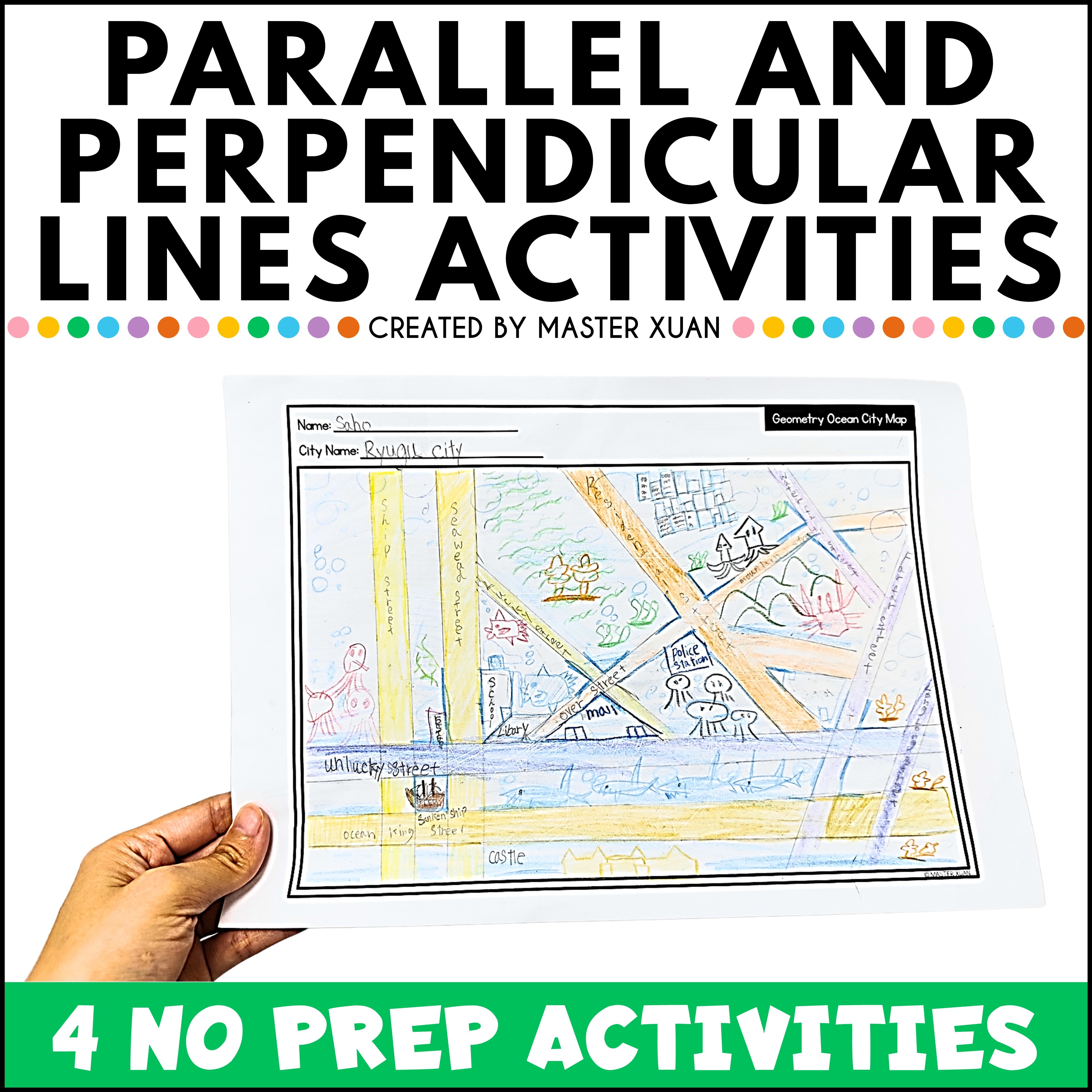
Example: Parallel And Perpendicular Lines Activity 4th Grade Geometry Lesson City Project
2. Hands-On Activities
- Manipulatives: Use manipulatives like blocks, counters, or base-ten blocks to help students visualize and understand abstract concepts.
- Math Games: Engage students through interactive math games that reinforce skills and make learning enjoyable.
- Math Crafts: Engage students in creating math-themed crafts that reinforce concepts. For example, making 3D geometric shapes, creating arrays, or designing tessellations.
Example: Solid Figures And Nets Bundle – 3D Shapes And Their Nets (Hands On Activities)

3. Visual Representations
- Diagrams and Models: Use diagrams and models to visually represent math problems and solutions.
- Number Lines: Utilize number lines to help students understand number relationships and operations.
- Graphic Organizers: Employ graphic organizers like Venn diagrams or T-charts to organize information and identify patterns
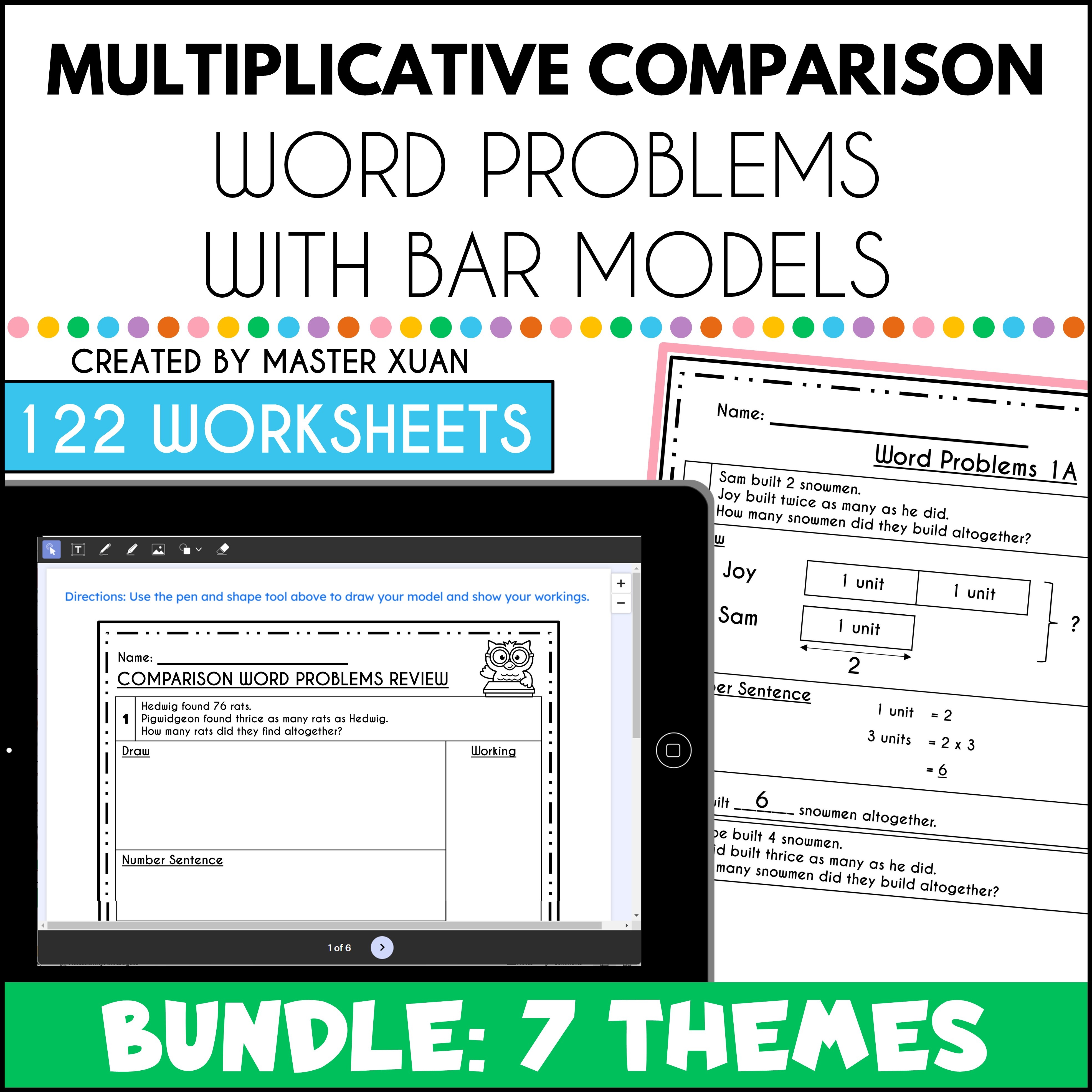
Example: 4th Grade 2 Step Multiplicative Comparison Model Word Problems Worksheets Bundle
4. Cooperative Learning
- Group Work: Divide students into small groups to work together on math problems and discuss strategies.
- Peer Teaching: Encourage students to explain concepts to each other, which can solidify their understanding.
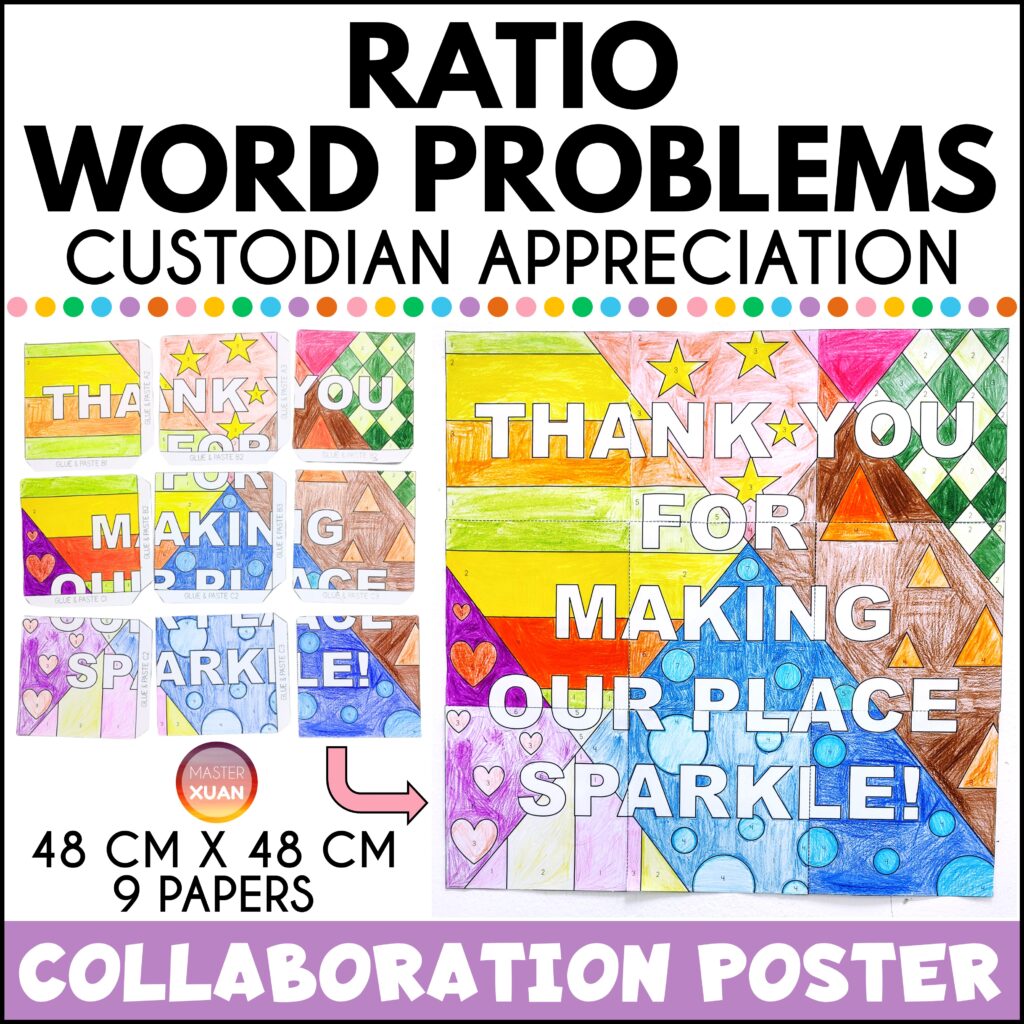
Example: Custodian Appreciation Printables, Collaboration Poster With Ratio Word Problems
5. Effective Questioning Techniques
- Open-Ended Questions: Ask open-ended questions that require students to think critically and explain their reasoning.
- Wait Time: Allow sufficient wait time for students to process questions and formulate their responses.
- Follow-Up Questions: Probe students’ thinking with follow-up questions to deepen their understanding.
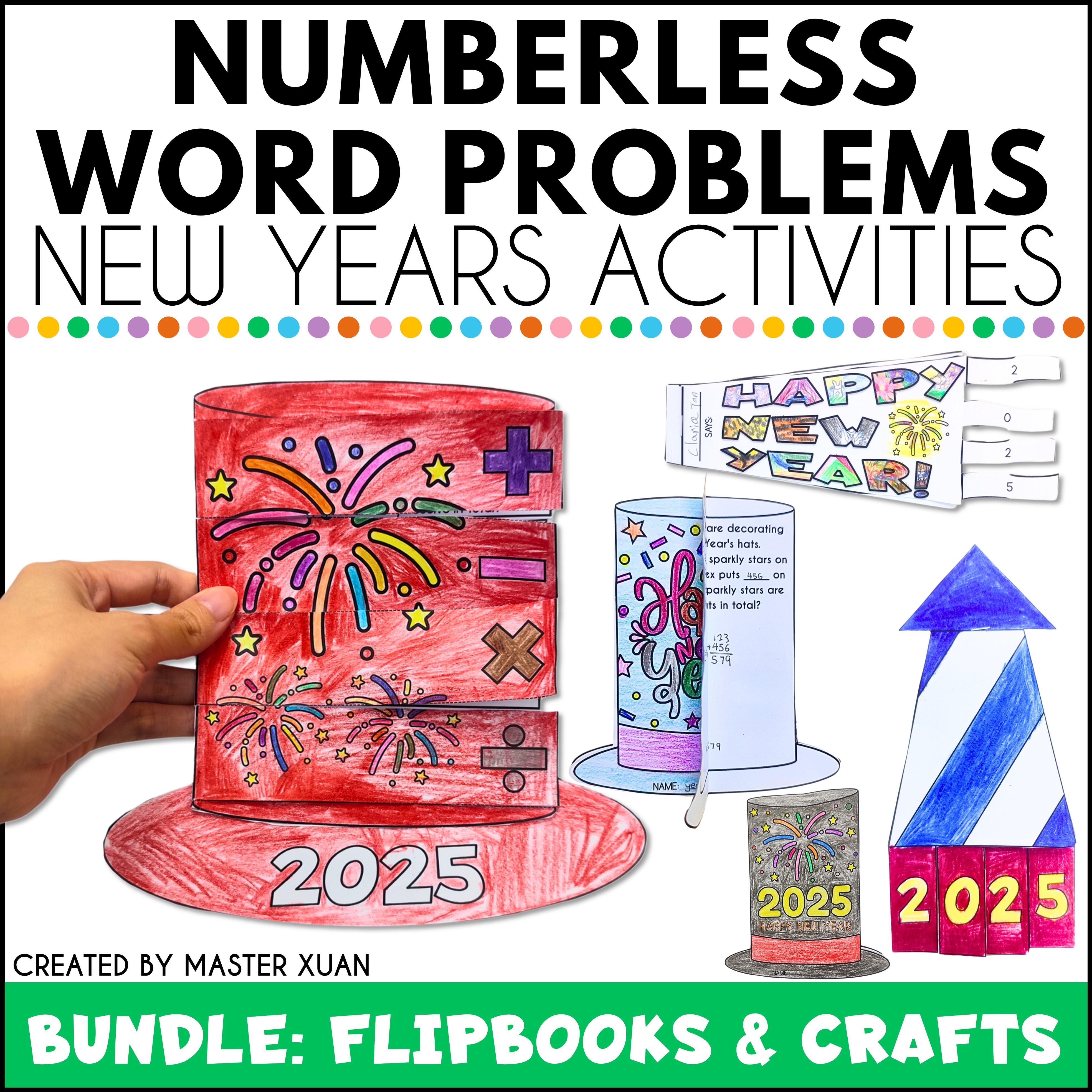
Example: Numberless Word Problems New Year’s Craft Printable 3D Hats, Flipbook Activities
Recommended read: 5 New Year Math Activities To Kickstart The Year
6. Positive Reinforcement
- Praise and Encouragement: Offer specific praise and encouragement to motivate students.
- Celebrate Success: Acknowledge students’ achievements and efforts to build confidence.
Recommended read: 200 Quick Report Card Comments For Math Students You Need To Know
Final Thoughts
Ultimately, effective math teaching is about more than just delivering content; it’s about fostering curiosity, confidence, and critical thinking.
By thoughtfully applying strategies like the CRA approach, encouraging active learning, and utilizing effective questioning, you’re creating a classroom where every student feels seen, supported, and challenged.
Embrace these methods to transform your math lessons into engaging experiences where students not only excel academically but also discover the inherent joy and relevance of mathematics in the world around them.
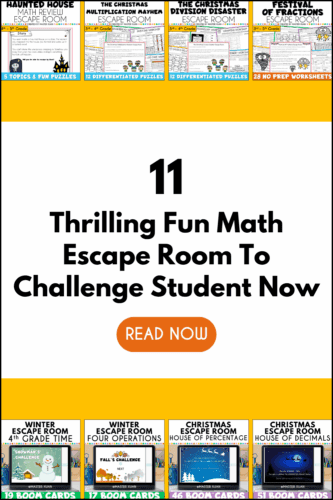
Here are some pins that you can save to bookmark this post. Save them to your Pinterest Board now! ↓

Thanks for sharing! I especially like the idea of planning for an entire week or more in advance — it frees up mental space and reduces daily stress.
Yes! Feeling prepared will always be great for your mental health and performance. Have a great day!